
洞察Insights 2026年11月 | 預防醫學November 2026 | Preventive medicine
預防,作為一種看待健康的方式Prevention as a way of seeing health
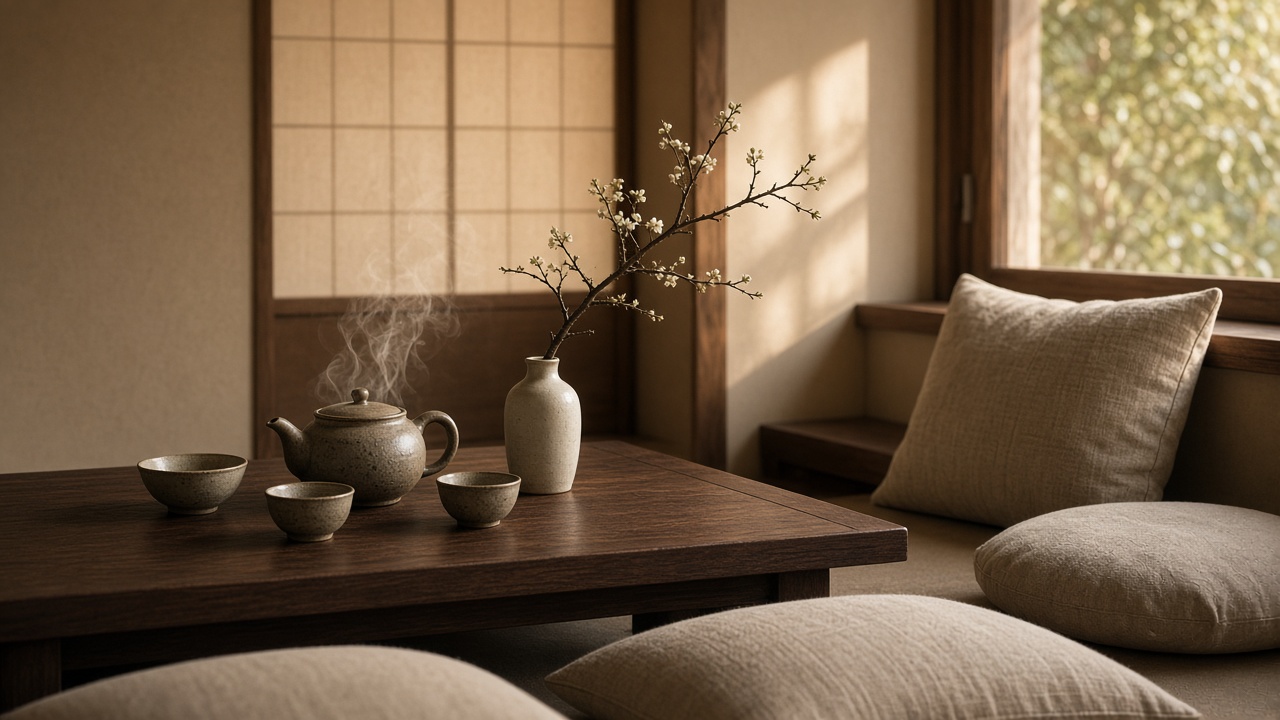
「預防」二字,聽來平實,卻改變了健康被討論的時間點。它把視線從已經發生的困頓,稍稍提前到尚未成形的變化:生活的傾向、身體的訊號、環境與習慣之間緩慢累積的關係。The word “prevention” sounds plain, yet it changes the moment at which health is discussed. It moves the gaze slightly earlier than difficulty that has already arrived, toward change that has not yet taken shape: tendencies in living, signals in the body, and the slow accumulation of relations between environment and habit.
在亞洲,這一取徑並不陌生。許多家庭與文化傳統裡,本來就重視調理、節制與未雨綢繆。當代預防醫學所提供的,不是取代這些經驗,而是以更為系統的方式,讓「提早留意」成為可以公共討論的語言。它關心的不是製造焦慮,而是如何更清楚地認識自己所處的狀態。In Asia, this approach is not unfamiliar. In many families and cultural traditions, attention has long been given to regulation, moderation, and preparing before the rain. What contemporary preventive medicine offers is not a replacement for that experience, but a more systematic language in which earlier attention can be discussed in public. Its concern is not to produce anxiety, but to understand more clearly the state in which a person stands.
把預防理解為一種觀看的方式,有助於避免兩種偏頗。一是把預防說成無所不能,彷彿只要提早行事,便能免除所有風險;一是把預防說得過於技術化,以致離開了人如何吃飯、如何休息、如何做決定的日常。真正有意義的討論,往往在兩者之間:既承認知識與方法的價值,也不遺忘生活本身的複雜。To understand prevention as a way of seeing helps us avoid two kinds of distortion. One is to speak of prevention as if it could do everything, as though acting earlier could remove all risk. The other is to make it so technical that it leaves behind the everyday facts of how people eat, rest, and decide. Meaningful discussion usually lives between the two: acknowledging the value of knowledge and method, without forgetting the complexity of living itself.
因此,預防醫學作為公共議題,適合以謹慎而開放的態度被認識。它不是診斷的代稱,也不是對某一個案的指示。它首先是一種取向:健康可以被更早地理解,也被更持續地關照。至於每一個人應當如何行動,仍須回到其自身的情境,以及應有的專業判斷——而那並不是一篇觀點文章所能代替的。Preventive medicine, as a public subject, is therefore best approached with care and openness. It is not another word for diagnosis, nor an instruction for any particular case. It is, first, an orientation: that health can be understood earlier, and attended to over time. What any one person ought to do still returns to their own circumstances, and to the professional judgement that may be required—and that is not something an editorial note can replace.
本文為觀點與觀察,旨在理解亞洲語境中的長壽與預防醫學,並非醫療建議、診斷或對個別情況的指示。WEBE 並非診所、醫院或持牌醫療機構。This article is an editorial observation on longevity and preventive medicine in an Asian context. It is not medical advice, a diagnosis, or guidance for any individual case. WEBE is not a clinic, hospital, or licensed medical institution.