
洞察Insights 2026年11月 | 亞洲觀察November 2026 | Asia
在速度與保養之間Between pace and care
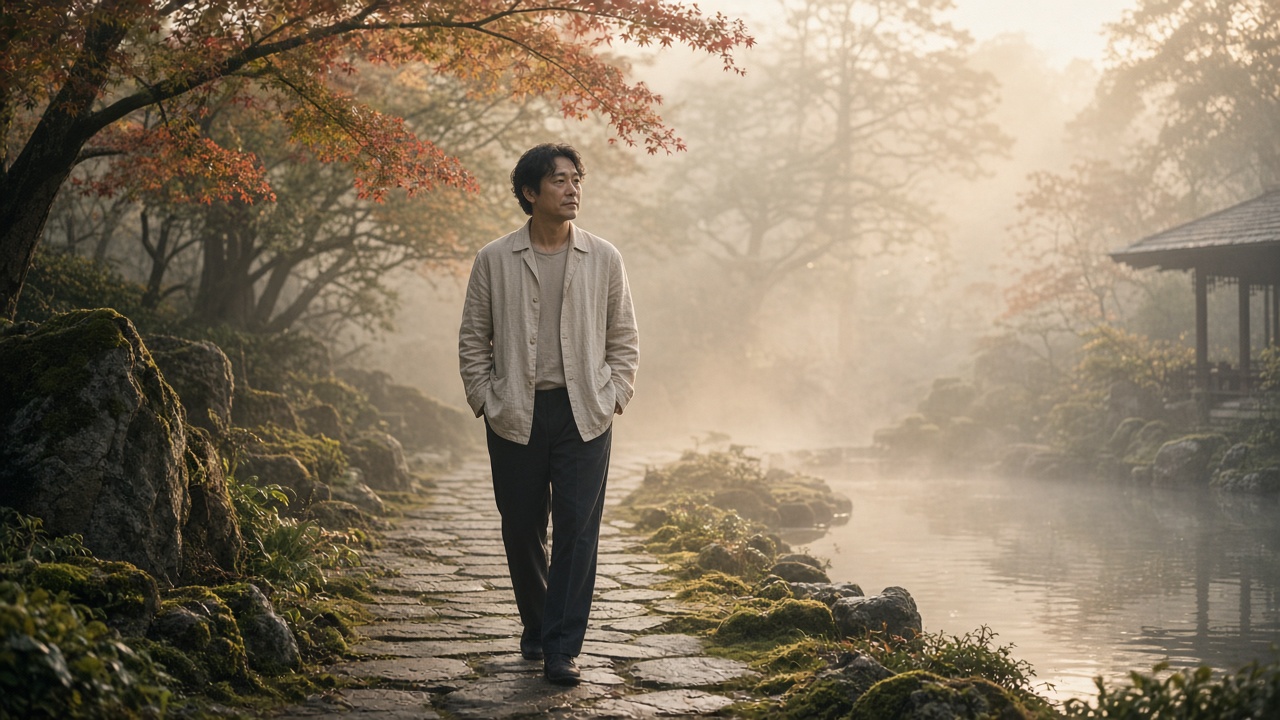
當代亞洲的許多城市,以速度見稱。交通、工作、訊息與期待,都習慣於向前推進。與此同時,另一種願望也愈發清楚:人希望在這樣的速度裡,仍能保有休息、關係與健康。長壽與預防之所以成為公共話題,正與這份並存有關。Many contemporary Asian cities are known for their pace. Transport, work, information, and expectation are all accustomed to moving forward. At the same time, another wish has grown clearer: that, within this pace, rest, relationship, and health might still be kept. Longevity and prevention have become public subjects in part because of this coexistence.
速度並不一定是對手,保養也不必被描寫成退出世界。更常見的處境,是人們必須在同一天裡同時面對兩者:早上的行程已經排滿,傍晚卻仍希望為身體留一點空白;事業與家庭各有要求,健康則往往在縫隙中被記起。這樣的結構,不是個別的疏忽,而是一種共享的生活條件。Pace need not be an adversary, nor must care be described as a withdrawal from the world. The more common situation is that people must face both in a single day: the morning already fully arranged, and the evening still hoping to leave a little space for the body; work and family each with their claims, and health often remembered only in the intervals. This is not a private oversight. It is a shared condition of living.
因此,討論亞洲的長壽與預防醫學,不宜只描繪一種寧靜的理想圖景,彷彿只要放慢,一切便會到位。也比較完整的寫法,是承認速度已經是生活的一部分,再問:在這樣的條件下,人們如何仍能更早地留意健康、更持續地理解自己?問題一旦這樣提出,答案便不會只是風格,而會回到制度、時間與支持是否足夠。To discuss longevity and preventive medicine in Asia, then, it is not enough to paint only a quiet ideal, as if slowing down would put everything in place. A more complete account admits that pace is already part of living, and then asks how, under these conditions, people might still notice health earlier and understand themselves over time. Once the question is asked this way, the answer is no longer a matter of style alone. It returns to whether institutions, time, and support are sufficient.
在速度與保養之間,並沒有一條人人相同的中線。有人尋求更清楚的知識,有人先從作息改起,有人需要家庭或專業的協助。公共討論能做的,是把這條中線顯影出來:讓「活得更久、活得更好」不只是一句遠景,而成為可以在當代亞洲的生活節奏裡,被認真對待的課題。There is no single middle line, the same for everyone, between pace and care. Some look first for clearer knowledge; some begin by changing the pattern of the day; some need the help of family or of professionals. What public discussion can do is to make that middle line visible: so that living longer and better is not only a distant view, but a subject that can be taken seriously within the rhythms of contemporary Asian life.
本文為觀點與觀察,旨在理解亞洲語境中的長壽與預防醫學,並非醫療建議、診斷或對個別情況的指示。WEBE 並非診所、醫院或持牌醫療機構。This article is an editorial observation on longevity and preventive medicine in an Asian context. It is not medical advice, a diagnosis, or guidance for any individual case. WEBE is not a clinic, hospital, or licensed medical institution.