
洞察Insights 2026年11月 | 長壽November 2026 | Longevity
亞洲的長壽,始於日常的節奏The Asian sense of longevity begins with daily rhythm
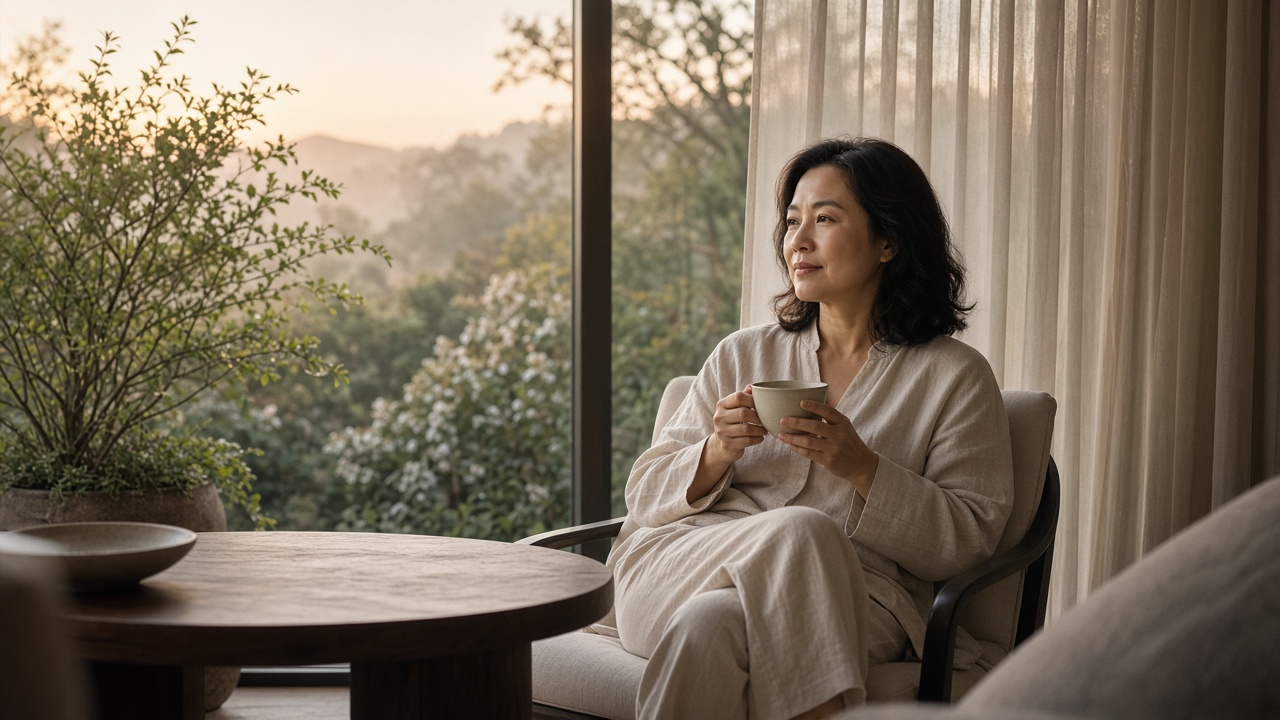
談論長壽,人們有時會先想到技術、數字,或某種尚待抵達的未來。在亞洲的許多生活場景裡,這件事卻往往從更近的地方開始:一天如何展開,一餐如何安放,休息如何被允許進入忙碌的縫隙。When people speak of longevity, they sometimes begin with technology, with numbers, or with a future still waiting to arrive. In many Asian settings, the subject often starts much closer to hand: how a day unfolds, how a meal is placed, and how rest is allowed into the seams of a busy life.
這並不是要把傳統美化為答案,也不是要把當代生活寫成對立面。更接近真實的,或許是一種持續的張力:城市的速度與身體的節奏並不總是同行;世代之間對「好好活著」的想像,也不盡相同。正是在這種張力裡,長壽才成為一個需要被慢慢理解的公共話題,而不只是個人的願望。This is not to romanticise tradition as an answer, nor to write contemporary life as its opposite. What feels closer to the truth is a continuing tension: the pace of the city and the pace of the body do not always travel together, and generations do not always share the same idea of what it means to live well. It is in that tension that longevity becomes a public subject to be understood slowly, rather than only a private wish.
日常的節奏之所以重要,是因為它可見、可感,也因此容易被忽視。晨間的光線、一席清淡的早餐、一段不被打斷的步行,本身並不保證更長的生命;它們卻構成一種態度:把健康看成可以在今天被關照的事,而不是留待日後再處理的題目。Daily rhythm matters because it is visible and felt, and therefore easy to overlook. Morning light, a simple breakfast, an uninterrupted walk do not in themselves promise a longer life. They do, however, form an attitude: that health is something which can be attended to today, and not a subject to be postponed.
當長壽科技與預防醫學成為公共討論的一部分,這種日常的理解並不會過時。技術可以拓展我們認識身體的方法,預防可以提醒我們更早留意變化;但若離開生活的具體情境,這些詞彙也容易變得抽象。亞洲的長壽想像,值得從節奏談起,正因為節奏把「活得更久、活得更好」放回人正在過的那一日。As longevity technology and preventive medicine become part of public conversation, this everyday understanding does not become obsolete. Technology can widen the ways we come to know the body; prevention can remind us to notice change earlier. Apart from the concrete situations of living, however, these words can easily grow abstract. It is worth beginning with rhythm, because rhythm returns the wish to live longer and better to the day a person is already living.
本文為觀點與觀察,旨在理解亞洲語境中的長壽與預防醫學,並非醫療建議、診斷或對個別情況的指示。WEBE 並非診所、醫院或持牌醫療機構。This article is an editorial observation on longevity and preventive medicine in an Asian context. It is not medical advice, a diagnosis, or guidance for any individual case. WEBE is not a clinic, hospital, or licensed medical institution.